
Learn why processing AI tasks directly in the browser is revolutionizing speed, privacy, and cost-effectiveness for users worldwide.
For a decade, we've been told the Cloud is the only way to experience advanced technology. If you wanted to upscale an image or detect a deepfake, you had to 'upload' your file to a mysterious server. But in 2026, the paradigm is shifting. The most powerful computer in the world isn't in a data center—it's the one in your pocket or on your desk. Welcome to the era of Local-First AI.
At MojoDocs, we don't just use the word 'privacy' as a marketing slogan. We've built an entire architecture around the idea that your data is yours alone. By leveraging modern browser technologies like WebAssembly (WASM), we've brought the models directly to you.
The Latency Lie: Why Local beats Cloud
When you use a cloud-based AI tool, there is a hidden sequence of delays. First, your file—often megabytes in size—must travel across the internet to a server. Then, it waits in a queue. Finally, the server processes it and sends it back. This 'Ping-Pong' of data creates latency and consumes bandwidth.
Local-First AI eliminates the commute. Because the AI model lives inside your browser tab, the 'processing' starts the millisecond you click a button. There is no upload bar. There is no 'waiting for server.' For tasks like image enhancement or PDF compression, local processing is often faster than the round-trip time of a cloud tool.
The Ethical Elephant in the Room: Data Scraping
In the Gold Rush of AI, user data has become the new oil. Many 'free' online converters and AI tools have a dark secret: they use the files you upload to train their next generation of models. Your family photos, legal documents, and private designs are being harvested to feed corporate algorithms.
MojoDocs operates on a Zero-Transit model. Since your file never leaves your RAM, it is technically impossible for us to scrape it. We don't have a database of your uploads because we don't have your uploads. This isn't just a policy; it's a structural impossibility.
Democratizing High-Performance Computing
Cloud-based AI companies have massive bills. GPU time is expensive, and those costs are passed down to you through subscriptions and 'pay-per-use' models. This creates a digital divide where only those who can afford $20/month have access to high-end productivity tools.
By using your device's hardware, MojoDocs removes the 'toll booth' from the web. Whether you are a student in a developing nation or a professional in a law firm, you get access to the same elite models for free. We aren't paying for the GPUs, so we don't need to charge you for them.
The Tech Behind the Magic: WASM & ONNX
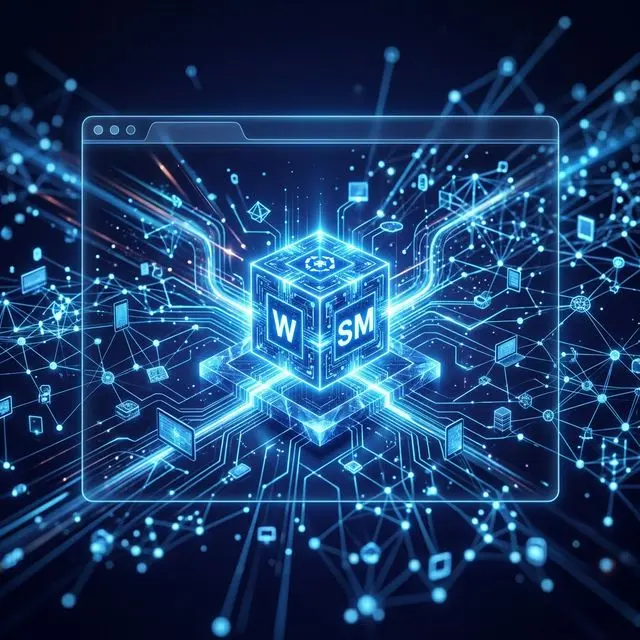
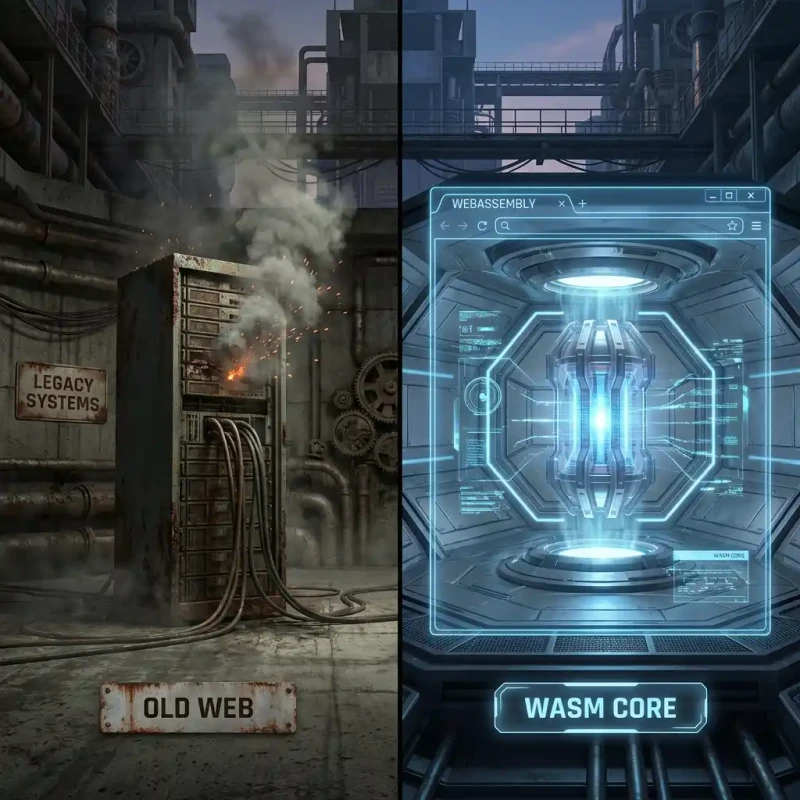
How do we actually run complex AI in a browser? We use WebAssembly (WASM), a binary instruction format that allows code written in C++ or Rust to run at near-native speeds in the browser. Coupled with the ONNX Runtime, we can execute highly optimized neural networks directly on your CPU or GPU using WebGPU.
This means your browser isn't just a document viewer anymore; it's a high-performance compute engine capable of real-time deepfake detection and ultra-HD upscaling.
Conclusion: Reclaiming the Web
The transition to local-first is more than just a technical upgrade; it's a reclamation of digital sovereignty. It's about moving away from a web where we are products to be harvested, and toward a web where we are empowered users with private, powerful tools.
MojoDocs is proud to be at the forefront of this movement. Every time you process a file locally, you're voting for a faster, safer, and more private internet.