Applying for a Visa or Loan? Merging your PDF bank statements on a 'Free Online' tool is a massive security risk. Learn how to combine financial documents privately using Local AI.
You are applying for a Schengen Visa. Or maybe a Home Loan. The checklist asks for: "Last 6 months bank statements (Combined PDF)."
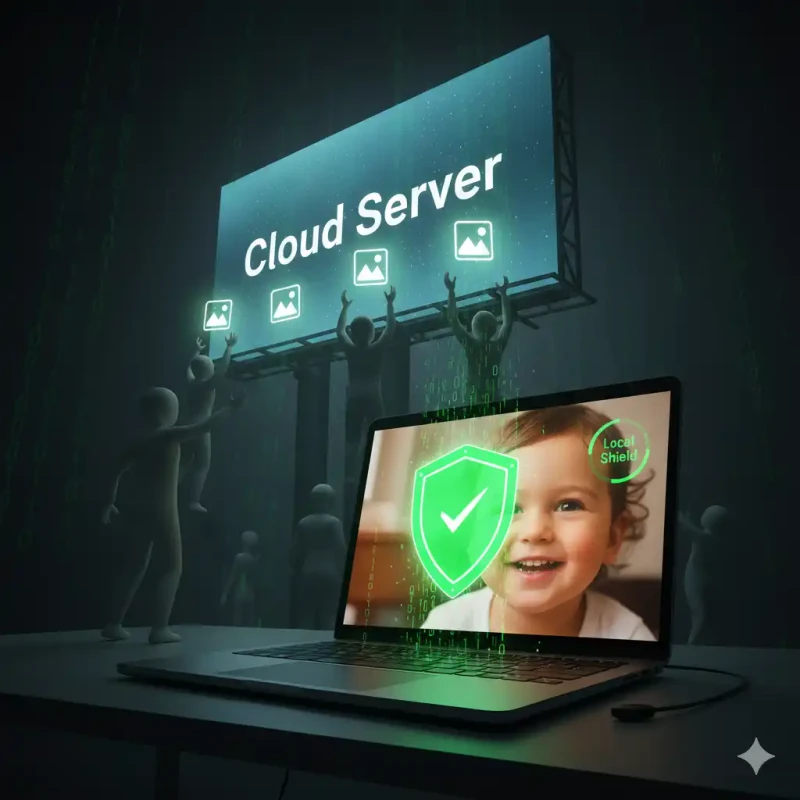
You download 6 separate PDFs from your Netbanking. Now you need to join them. You google "Merge PDF Free". You click the first link. You upload your life's financial history to a server you know nothing about.
Stop.
You wouldn't hand your unlocked phone to a stranger on the bus. Why are you handing your transaction history to a stranger on the internet?
The "Metadata" Hidden in Your Statement
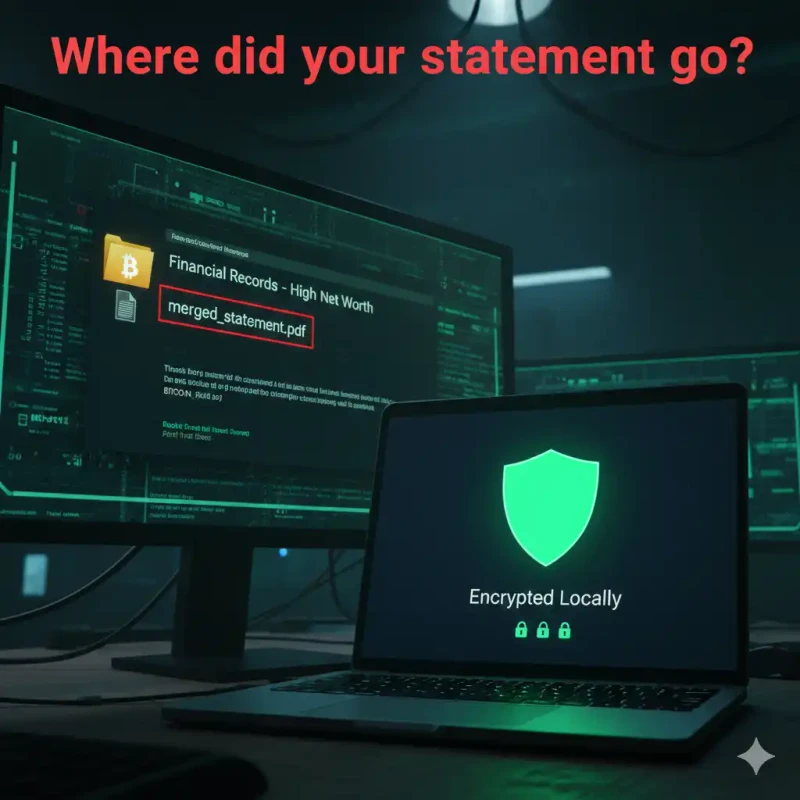
A Bank Statement isn't just a list of numbers. It is a psychometric profile of your life.
- Salary: They know exactly how much you earn and when.
- Spending Habits: They know if you eat out, if you pay rent, if you have medical bills.
- Identity: Account number, IFSC, Address, Phone Number.
If a "Free PDF Tool" gets hacked (or if they secretly sell data), this information is a goldmine for:
- Targeted Phishing: "Sir, I am calling from HDFC. I see you just spent ₹5000 at Zomato..." (They have the data to sound authentic).
- Loan Sharks: Predatory lending apps targeting people with low balances.
The Architectural Flaw of "Online PDF Tools"
Historically, manipulating a PDF required a backend server. Python libraries like PyPDF2 or Java libraries ran on the server.
This means: You Upload -> Server Merges -> You Download.
Even if they claim "We delete files after 1 hour", can you trust them? What about backups? What about logs? What about "Man-in-the-Middle" attacks?
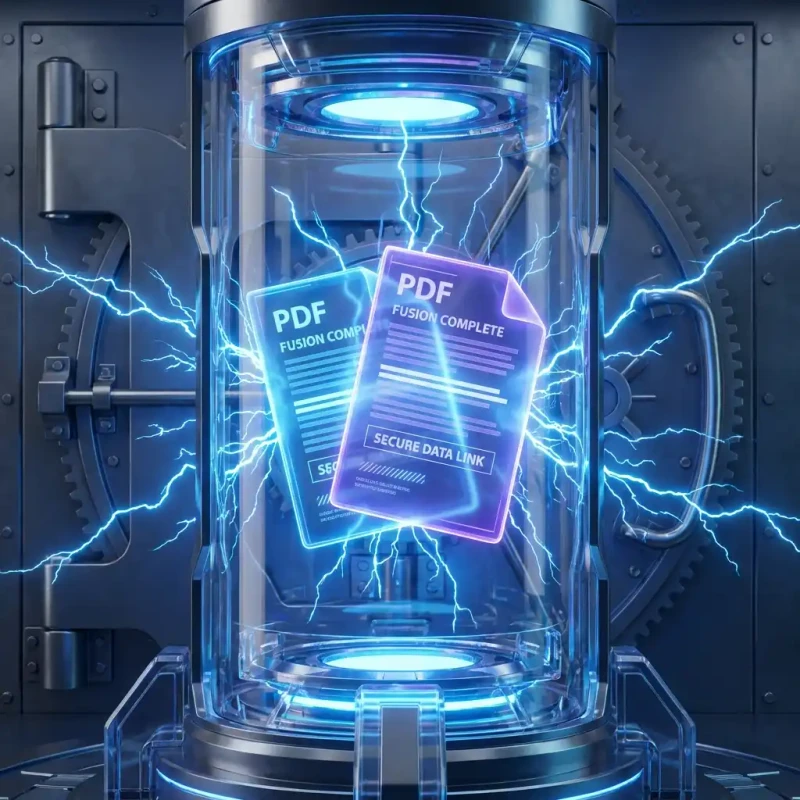
The MojoDocs Solution: Client-Side PDF Engine
MojoDocs effectively rebuilt Adobe Acrobat inside the browser.
We use a technology that allows Javascript to read and modify the raw binary data of the PDF files directly in your RAM.
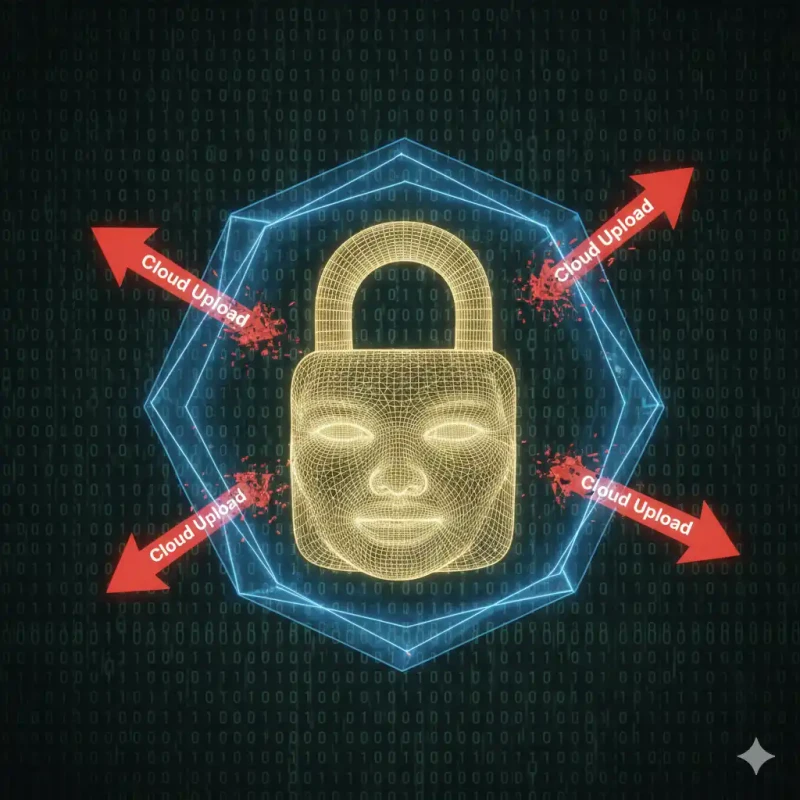
- No Upload: The progress bar you see is "Processing", not "Uploading".
- No Server Storage: Since it never leaves your device, we physically cannot store it.
The Security Audit
Don't believe us? Try this:
- Open MojoDocs PDF Merger.
- Turn off your WiFi.
- Select your 6 Bank PDFs.
- Click "Merge".
- It works instantly.
This proves that no data left your machine.
When Should You Be paranoid?
You should use Local-First tools for:
- Bank Statements / ITR V: Financial data.
- Medical Reports: Private health data.
- Legal Contracts: NDAs, Offer Letters, Rental Agreements.
- KYC Docs: Aadhaar, PAN, Passport copies.
(For a school assignment or a public menu? Sure, use whatever tool you want. But for finance? Never compromise.)
Conclusion
Privacy is not about having something to hide. It is about having nothing to lose.
In an age of digital fraud, minimizing your "Data Surface Area" is the best defense. Keep your financial documents off the cloud. Merge them Locally.